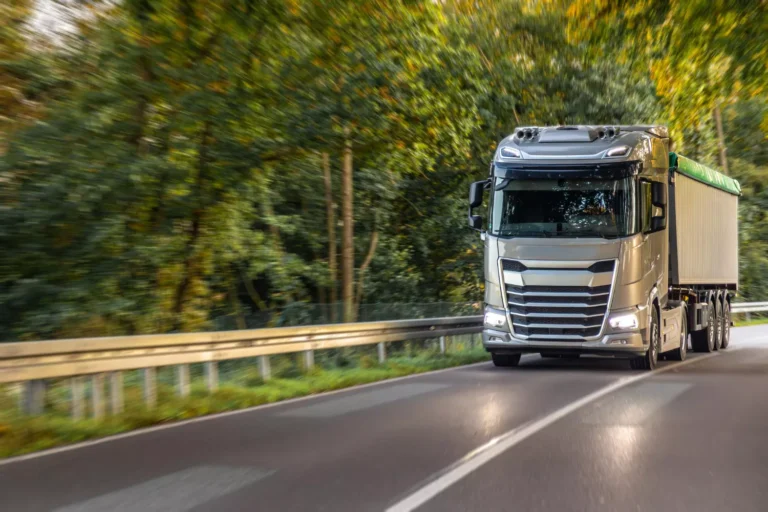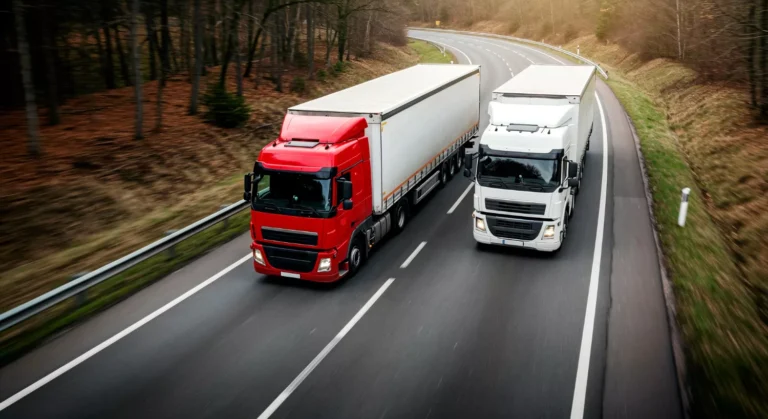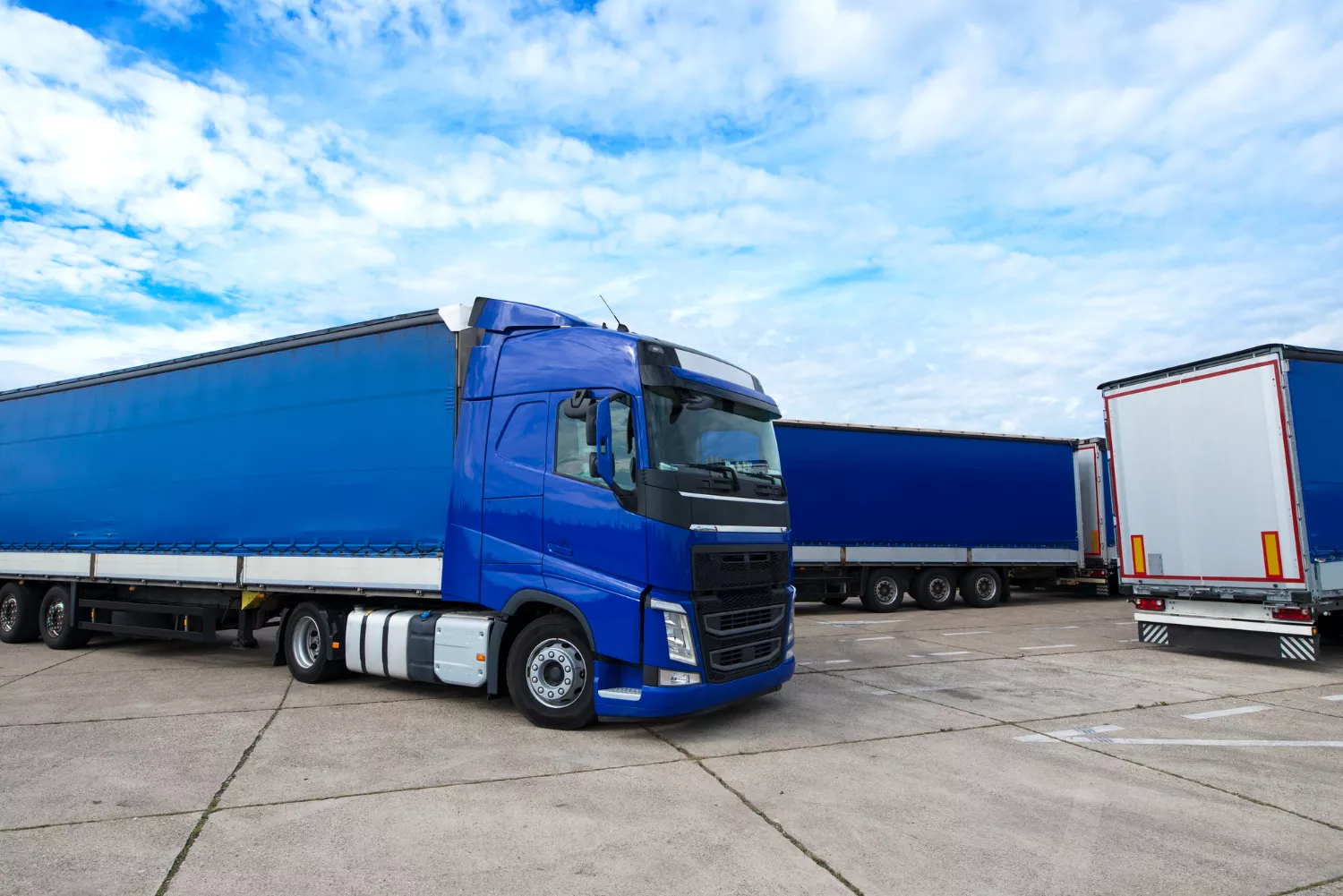
Road freight transport is the most flexible logistics solution because it does not rely on fixed tracks, flight paths, or maritime ports to move goods. Instead, trucks can alter routes instantly to dodge traffic, adjust schedules on the fly, and navigate directly to almost any location with a paved or unpaved road. This unmatched ability to offer true door-to-door delivery makes trucking the backbone of modern global supply chains.
Why Road Transport Beats Other Modes on Flexibility
While airplanes are faster for long distances and ships carry heavier loads, they are locked into strict hub-to-hub networks. Road transport bridges these gaps seamlessly.
- Door-to-Door Accessibility: Trucks pick up cargo directly from a factory floor and drop it off at a retail store, eliminating the extra handling required by trains or planes.
- Adaptive Route Planning: If a storm blocks a highway or a border crossing gets backed up, drivers can instantly shift to an alternate route.
- Tailored Departure Schedules: Unlike commercial flights or freight trains that run on rigid timetables, a truck can leave the moment your cargo is fully packed.
- Remote Area Reach: Road networks act as the capillaries of logistics, successfully reaching rural communities, construction sites, and remote locations that lack rail lines or runways.
Scale Your Shipments: FTL vs. LTL
Road logistics scales effortlessly to match the size of your business through two primary shipping models:
- Full Truckload (FTL): You hire an entire trailer exclusively for your cargo. This is perfect for large shipments, offering direct transit without stops and maximum security.
- Less Than Truckload (LTL): For smaller loads, you share trailer space with other businesses. You only pay for the exact volume you use, which dramatically lowers costs through shared economies of scale.
Versatility for Diverse Cargo Needs
A single highway can support completely different logistical challenges because the trailers attached to trucks can be highly specialized:
- Refrigerated Reefers: Keep food and medicine at precise, cold temperatures.
- Dry Vans: Protect standard boxed and palletized consumer goods from weather.
- Flatbeds: Move oversized construction machinery or heavy raw materials.
- Tankers: Securely haul liquid chemicals or gases.
Connecting the Multimodal Chain
Road freight does not always work alone. It is the vital “last-mile” glue that binds international commerce together. When an ocean freighter docks or a cargo plane lands, it is ultimately a fleet of trucks that completes the journey, moving the goods from regional hubs directly to consumer doorsteps.